
Colour as Pilgrimage -A personal series on art, ministry, memory, and the places that shape the imagination
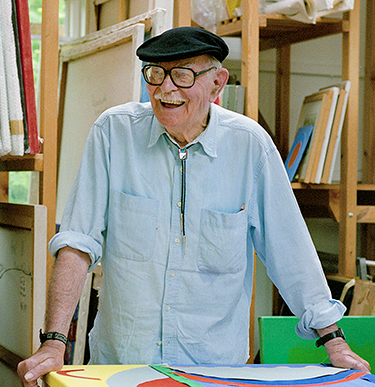
Terry Frost offers a fitting starting point for these reflections on art and place. This is because his work connects colour, memory, and spiritual imagination.
In this series, I want to gather artists whose work has captured my imagination. Additionally, I plan to record the places where I have discovered art.
Art has taught me how to stop. Additionally, it teaches Attention to the shape of memory and the pulse of spiritual imagination.
Some readers may know that in June I stepped back from my work in theological formation at Sarum College.
It was an exhilarating time, shaped by diverse students who joined our community to explore theology and spirituality.
Leaving that work has made me more attentive to the images, places, and encounters that have formed me. Reflecting on my professional life has sharpened this awareness.
2026 is the year that marks 41 years of ordained ministry in the Church of England. I was ordained in Durham in 1985 to work in the parish of Consett, the former steel town. These days of letting go offer me the opportunity to express my gratitude for the many gifts that have been shared.
That history now sets the scene for a series of short reflections on artists who have shaped my thinking, many of whose works have found their way onto my walls.
As one chapter of ministry closes, these reflections offer a way of attending again to the places, images, and encounters that have formed imagination, faith, and memory.
I also want to weave in some of the places I have visited that celebrate, interpret, and house art.
The first is Terry Frost. Born in 1915, Frost came to painting relatively late and studied at Camberwell School of Art after the Second World War. His delight was in the discovery of paint, shape, and colour. While some of his pieces might seem naive or simple at first glance, I find in his work a disciplined attentiveness to experience. In his reflections on his own practice, he honours the life, places, and artists that inspired him to explore abstraction through rhythm, repetition, form, and colour. A good painter shows us how to pay attention and see.
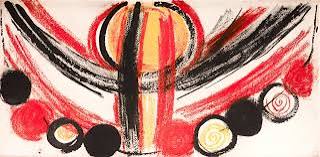
I remember a friend who owned an art gallery and knew Frost, buying art from him. She reminded me that Frost, like many other artists, refused to exclude sensation or emotion from the process of creating art. Abstraction became the means of a more vivid and truthful expression: a dynamic movement between perception and response, seeing and feeling.
In front of a Frost, I am reminded of what it is to be fully in the world. The colour and movement are life-giving. His work allows us to glimpse intuition at play, where images are formed and offered across a large body of work. This is the meeting place between the emotion of the painter and the response of the viewer.
Frost is a skilled craftsman who attends to the natural world. He brings it to life through his choice of shape and colour: earth, water, air, and fire.
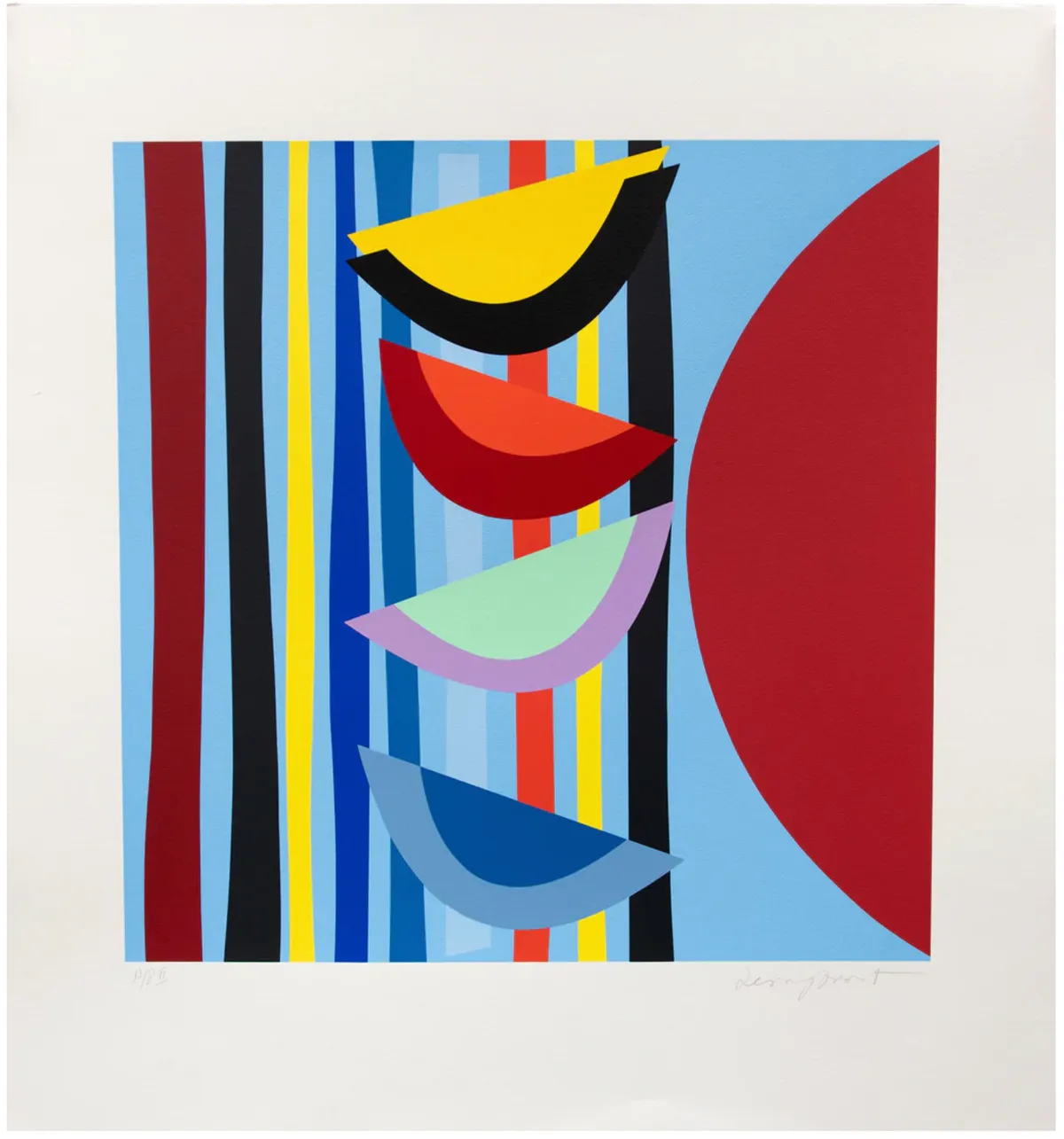
Taken together, Frost’s work and this moment of reflection help me name what this series is trying to explore: the ways art, ministry, memory, and place shape the imagination over time.
As I look back on years of theological work and ordained ministry, colour becomes more than visual delight; it becomes a way of attending, remembering, and giving thanks.
In Frost’s paintings, and in the places where art has met me, I glimpse a form of pilgrimage: a journey through attention into deeper seeing.