
I have never met Heather Walton but her writing has had a significant influence on my teaching and ministry. Her book written in 2015 Not Eden: Spiritual Life Writing for this World published by SCM Press was transformative in the shaping of my reflective practice and indeed part of the motivation for moving more directly into theological education at Sarum College. ( See https://www.sarum.ac.uk )
Sacristy Press continue to produce innovative work and this collection of essays edited by Doug Gay, Alison Jasper and David Jasper is a glorious tribute to three decades of her work in the University of Glasgow. Heather is an interdisciplinary scholar moving in the fields of literature, theology, and the arts.
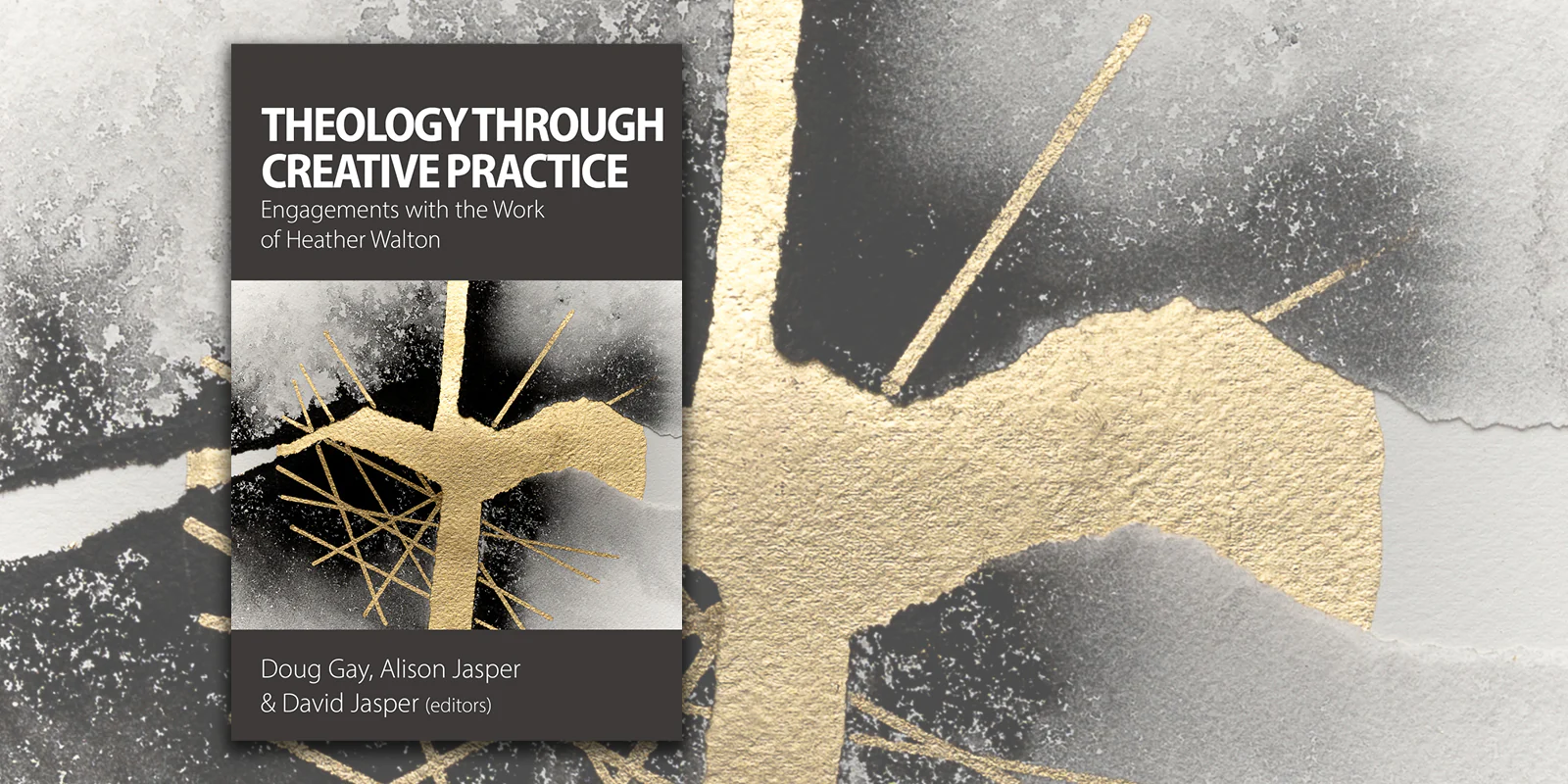
Thirteen Chapters cover a very wide range of areas of theology and practical theology representing as the preface quite properly names Heather’s remarkable and multifaceted gift of scholarship exercised with creative energy to the field over her teaching career.
The editors expressed their admiration to this scholar who
teachers and writes in a liminal space, between the wonder and horror of life, in a place that is between the head and the heart. Between academic disciplines seeking articulation in the world that is torn by ecological threat………. Heather offers us a theopoetics that is a once joyous and challenging (p v).
It is of course always challenging to capture such a significant range and scope of materials that Walton has produced. Thirteen chapters bravely attempt to capture this legacy. each is written in a distinctive style and includes some illustrations.
Potential readers and researchers should consider the following strengths of Walton’s legacy to theology.
First, I think that Walton always explores theological theory and praxis, thinking and action within the context of the world as it is. She names and works with many of the issues that shape our present crisis and chaos. These include the sustainability of our ecology, the significance of the way women do theology within an inclusive and feminist framework. We are invited to name and face some of the deep injustices of prejudice and wrongdoing in the way in which organised religion and society has dealt with race, class and gender. In this respect these chapters are properly uncomfortable reading for those of us working in theological education today. Theology is a social and political engagement for building places where all can thrive and flourish. It is a discipline open to manipulation and abuse.
Second, Walton has pioneered the use of creative practice in the doing of theology. She uses drama, liturgy, architecture, art and poetry as tools and ways into a deeper understanding of our inner and outer world. The reader will be much enriched by the way in which these essays show some of the possibilities that emerge out of our stopping, standing still to wonder as we and notice lived experience.
In chapter one, Elaine Graham establishes a framework within which to read subsequent chapters. This contribution is entitled lingering at the crossroads as she describes how practical theology sits in between imagination and empiricism. Frances Ward and Nicola Slee both invite their readers to go into difficult places where there is loss and waste . We should be intentional in leaving nothing out. Theology must always start in seeking theological and spiritual meaning in the everyday events of our ordinary lives. In this engagement and adventure, there are no conclusions but only further invitations into truth. This is both adventurous and uncomfortable work.
There is poetry in abundance here together with explorations that open up how we might understand and practice the nature of creative listening. Chapter 6 gathers together a range of practices that are can be used in theology through creative practice. These processes are captured in the arresting phrase: theology in the making. We see and learn from reading particular novels. In these readings we are invited to explore how we might unmake our fixed methodological habits to connect with presence, absence and otherness. Poetry can take us into places of discomfort, rage and political action.
The concept of liminality runs through much of the text of his essays and is particularly and powerfully explored in chapter 11, Life in the Liminal. The book constantly and creatively asks the reader to consider what stories we live by and how those stories might set us free for a deeper changed map of life.
The editors have helpfully provided a selected bibliography of Walton’s writings. While the book has been skilfully edited it might have benefited from some post script offering possible future directions for a field of study in the humanities. Theology is significantly under threat with closures of departments as recruitment into this area of study declines.
In the light of these chapters we might ask what is the future of theology? How might it move from the left brain to the right brain? Both are needed. This reviewer has glimpsed the importance of creativity, intuition, visualisation and noticing as we look at the relationship between myth and reality. This is the foundation of building a practical theology that is relevant for human well-being in society.
This is a excellent book and one which I shall keep on the desk and dip further into for nourishment and challenge. A deep expression of gratitude to Helen Walton for her legacy and to the editors for gathering together such readable and resourceful chapters.